

.webp)
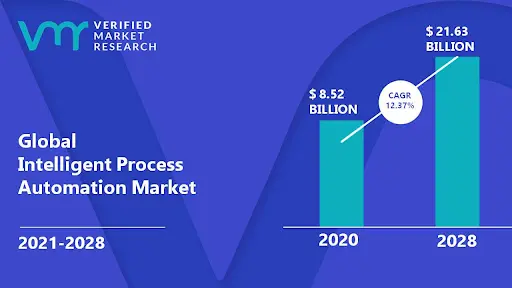
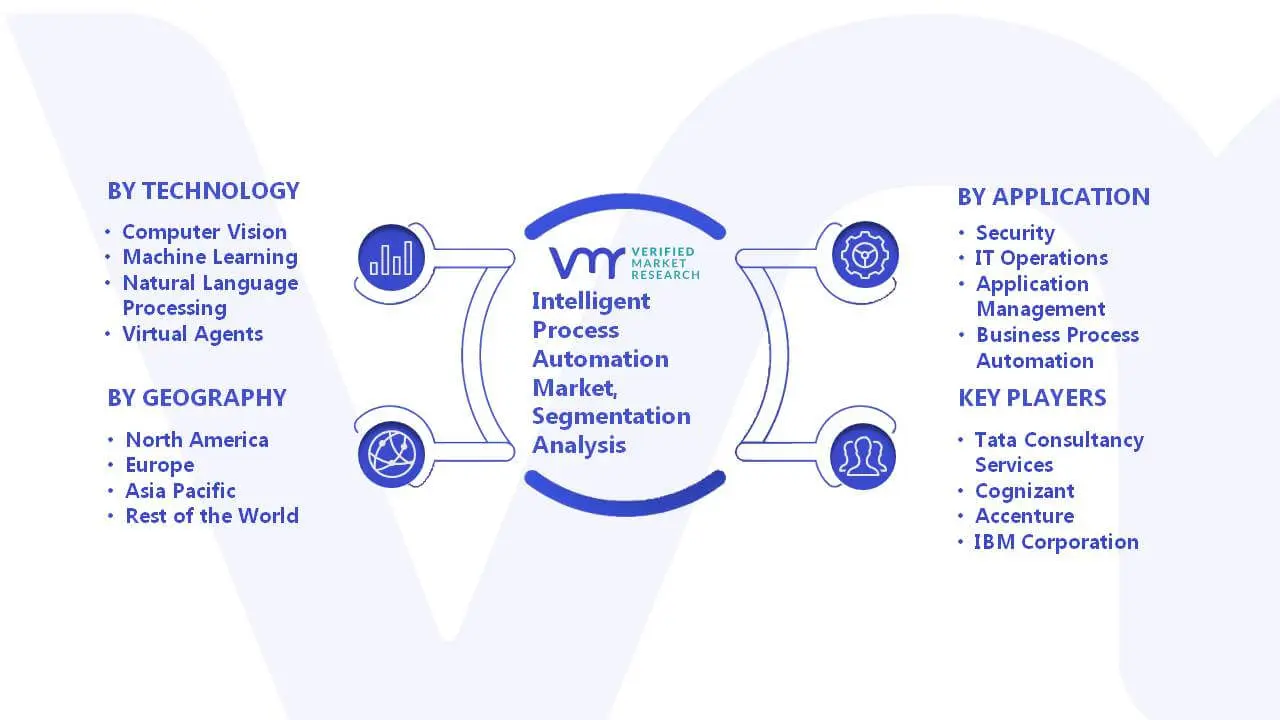
Intelligent Process Automation (IPA) is rewriting business logic. Valued at $18.5 billion in 2026, the sector targets an astronomical $44.7 billion by 2030. A 22% CAGR fuels this surge. IBM, Accenture, Cognizant, and TCS command the arena. They deploy cognitive tech to overhaul daily operations: machine learning, computer vision, and Natural Language Processing. These tools deliver concrete utility. Security perimeters harden—IT infrastructure self-heals. Legacy automation dies.
Massive industries bankroll this shift. Manufacturing plants optimize assembly lines. Healthcare networks slash administrative overhead. Telecom providers scale bandwidth autonomously. Savvy allocators reference Part.txt to spot lucrative opportunities.
The Global IPA Market report provides unvarnished clarity. It executes natural language processing to dissect hidden drivers and competitor maneuvers. You secure an actionable blueprint. Leaders pinpoint exact vectors—capturing instant ROI in a ruthless economy.
If you are interested in this topic, please book a call—we will explain everything in detail.

What Is Intelligent Automation
Intelligent automation transcends basic mimicking. It establishes autonomous execution. Artificial intelligence orchestrates enterprise workflows dynamically. Expect concrete utility:
- Agentic Execution: Software agents interpret context. They execute complex logic without rigid scripts.
- Cognitive Processing: We deploy machine learning alongside natural language processing. Systems decode unstructured data instantly.
- Adaptive Intelligence: Infrastructure ingests live metrics. It applies predictive analytics to anticipate market shifts. The system refines its own pathways autonomously.
- Strategic Augmentation: Automation eliminates administrative bottlenecks—freeing human personnel to drive lucrative governance.
Take your business to the next level with automation!

The Advantage of Intelligent Process Automation As a Business Solution
Intelligent Process Automation (IPA) offers several significant advantages as a business solution, making it a highly sought-after tool in the digital transformation landscape. Here are some of its key benefits:
- Enhanced Efficiency and Productivity: IPA automates routine and time-consuming tasks, allowing employees to focus on higher-value work. This shift not only speeds up process execution but also increases overall productivity.
- Cost Savings: By automating processes, businesses can significantly reduce labor costs associated with manual tasks. Additionally, IPA can optimize resource utilization, leading to further cost efficiencies.
- Accuracy and Quality Improvement: Automation minimizes human errors in repetitive tasks, ensuring greater accuracy. This leads to higher quality outputs and consistency in processes.
- Data-Driven Insights: IPA combines process automation with AI technologies like machine learning, allowing for analyzing large data volumes. This capability gives businesses deeper insights, aiding in decision-making and strategy formulation.
- Scalability and Flexibility: IPA solutions can be scaled up or down based on business needs. They are adaptable to changing processes and business environments, making them a flexible solution for growth and transformation.
- Enhanced Customer Experience: Automated and efficient processes can lead to quicker response times and better service quality, improving the overall customer experience.
- Compliance and Risk Management: IPA systems can be designed to adhere to regulatory requirements, reducing the risk of non-compliance. They can also identify potential risks and inconsistencies, enhancing the overall risk management framework.
- Employee Empowerment: IPA allows employees to engage in more meaningful and strategic work by taking over mundane tasks. This not only boosts job satisfaction but also encourages innovation and creativity.
- Operational Agility: IPA enhances the agility of business operations, enabling organizations to respond quickly to market changes and new opportunities.
- Sustainable Business Practices: Automation can contribute to sustainability by optimizing resource use and reducing waste in business processes.
At the core of our IPA offerings, we blend artificial intelligence with sophisticated automation, crafting a future where smart automation aligns seamlessly with innovation. Experience unparalleled efficiency and productivity with our top-tier IPA solutions with DATAFOREST.
At the core of our IPA offerings, we blend artificial intelligence with sophisticated automation, crafting a future where intelligent automation aligns seamlessly with innovation. Experience unparalleled efficiency and productivity with our IPA solutions. DATAFOREST offers:
- Leading Automation Intelligence: innovations in intelligent automation technology that are pushing the boundaries of traditional business practices.
- Tailor-Made Intelligent Automation Solutions: Our solutions, crafted to fit your unique requirements, utilize the latest in IPA technology, keeping you at the forefront of your industry.
- Cutting-Edge Tools for Smart Automation: Featuring intelligent robotic process automation and AI IPA, our suite of intelligent automation tools is designed to optimize and streamline your business processes.
- Pioneering IPA Technology: As a leader among intelligent automation companies, we specialize in intelligent process automation, seamlessly integrating artificial intelligence for peak efficiency.
- Scalable Intelligent Business Automation Systems: Our robust systems are the foundation of modern intelligent business automation, adaptable and scalable to meet your evolving needs.
Experience seamless workflows with automation solutions!

IPA Solutions for Different Industries
Intelligent Process Automation (IPA) solutions can be tailored to meet different industries' unique needs and challenges. Let's explore how IPA can be applied across various sectors:
Healthcare
- Patient Data Management: Automating patient records management to improve accuracy and accessibility.
- Appointment Scheduling: Streamlining the process of scheduling and rescheduling appointments.
- Claims Processing: Automating insurance claims processing for faster and more accurate handling.
- Diagnostic Assistance: Assisting in diagnostic processes by analyzing medical images and data.
Banking and Finance
- Fraud Detection: Using machine learning algorithms to detect and prevent fraudulent activities.
- Loan Processing: Automating the assessment and approval processes for loans and mortgages.
- Compliance Monitoring: Continuously monitoring transactions to ensure regulatory compliance.
Retail
- Inventory Management: Automating inventory tracking and ordering processes.
- Customer Personalization: Utilizing customer data to provide personalized shopping experiences and recommendations.
- Supply Chain Optimization: Improving supply chain efficiency through automated logistics and distribution.
Manufacturing
- Quality Control: Using computer vision for defect detection and quality assurance.
- Predictive Maintenance: Implementing sensors and AI to predict equipment failures and schedule maintenance.
- Production Planning: Optimizing production schedules and resource allocation.
Telecommunications
- Network Management: Automating the monitoring and management of network operations.
- Customer Service Automation: Implementing automated systems for customer inquiries and technical support.
- Billing Processes: Automating billing and invoicing processes for accuracy and efficiency.
Education
- Admissions Processing: Automating the processing of student applications and enrollments.
- Student Support Services: Using chatbots for student queries and academic support.
- Grading and Assessment: Assisting in grading with automated tools for objective assessments.
Focus on higher-value activities and strategic initiatives!

Transportation and Logistics
- Route Optimization: Using AI to optimize delivery routes and reduce fuel costs.
- Fleet Management: Automating the tracking and management of vehicle fleets.
- Cargo Handling: Implementing automated systems for efficient loading and unloading of cargo.
Energy and Utilities
- Demand Forecasting: Predicting energy demand for efficient grid management.
- Asset Management: Automated monitoring and maintenance of infrastructure.
- Customer Engagement: Personalizing customer interactions and automating billing processes.
Government and Public Sector
- Document Processing: Automating the processing of forms and applications.
- Public Records Management: Efficient management and retrieval of public records.
- Resource Allocation: Optimizing the allocation and usage of public resources.
Hospitality
- Reservation Management: Automating booking and reservation processes.
- Guest Services Automation: Implementing chatbots for guest inquiries and services.
- Facility Management: Automating the management of facilities and maintenance tasks.
Experience the transformative power of IPA as it automates routine tasks, enhances adaptability, and streamlines processes, leading to cost savings and improved customer experiences. Discover the game-changing impact of IPA in your sector.
Maximize Your Business Potential with Intelligent Process Automation
DATAFOREST engineers operational dominance. We deploy effective automation solutions tailored directly to your enterprise.
- Advanced Integration: We fuse machine learning with flawless natural language processing. This engine drives precise predictive analytics—anticipating bottlenecks before they disrupt workflows.
- Scalable Agility: Infrastructure expands seamlessly. It scales alongside aggressive revenue growth.
- Data-Driven Velocity: Deep analytics capabilities translate raw inputs into immediate strategic advantages. You capture instant ROI.
- Regulatory Precision: Immutable code guarantees total compliance: we secure all automated nodes.
Improve the efficiency of business!
.svg)
Strategic Partnership for Customized Intelligent Process Automation Solutions
Discover DATAFOREST's unique capabilities in delivering custom Intelligent Process Automation (IPA) solutions tailored to your business needs:
- Personalized Automation Strategies: DATAFOREST excels in crafting automation strategies that align with your specific business goals. By understanding the nuances of your operations, we ensure our IPA solutions fit perfectly within your business context.
- In-Depth Process Analysis: We start by thoroughly analyzing your processes. This detailed approach guarantees that our automation is finely tuned for peak efficiency and effectiveness.
- Dedicated Long-Term Support: Our relationship with clients goes beyond implementation. DATAFOREST is committed to long-term partnerships, offering continuous support and maintenance for our IPA solutions, ensuring they evolve with your business.
- Results-Driven Solutions: DATAFOREST's IPA solutions are designed with outcomes in mind – be it boosting efficiency, cutting costs, or enhancing customer experience. We focus on delivering tangible, measurable results.
Partner with DATAFOREST for intelligent process automation that brings together innovation, efficiency, and tailored solutions. Our expertise in data engineering, AI, and advanced analytics positions us uniquely to enhance your business processes, driving growth and success in an increasingly digital world.
Intelligent automation use cases: Transforming Businesses Across Sectors
Discover the remarkable transformations DATAFOREST has brought to various industries with our Intelligent Process Automation (IPA) solutions, leveraging IPA automation, AI process automation, intelligent process automation, and more.
E-Commerce Data Management Revolution: An e-commerce business struggled with manual data storage from multiple platforms. DATAFOREST's solution streamlined data into a unified warehouse, leading to:
- Efficiency: Rapid, accurate assessment of business performance.
- Integration: Seamless consolidation from over ten sources.
- Impact: Enhanced decision-making and competitive edge in the e-commerce sector.
Retail Employee Management Innovation: For a large retail company, tracking employee hours was a challenge. Our automated system resulted in:
- Time-Saving: Over 100 hours of manual work reduced.
- Productivity: A 13% boost in work experience.
Pharma Back Office Transformation: A pharma client needed to digitize their legacy processes. Our web application for CRM, warehouse, and delivery tracking brought:
- Cost Efficiency: 32% reduction in FTE costs.
- Growth: 19% revenue increase.
Manufacturing Process Optimization: We developed an ETL solution for a manufacturing company that integrated data from multiple sources, leading to:
- Process Improvement: Identified bottlenecks in optimizing operations.
- Cost Saving: 43% reduction in costs.
Legal Data Parsing Advancement: A law consulting firm needed efficient data collection from various court sites. Our solution processed millions of pages daily, offering:
- Data Handling: Automated scraping of diverse file formats.
- Timeliness: Rapid 43-second update checks.
These case studies demonstrate DATAFOREST's prowess in delivering customized, efficient, and innovative IPA solutions across industries. We empower businesses to optimize operations, enhance productivity, and achieve significant growth by harnessing intelligent process automation tools, software, and technology. Please fill out the form to get advice on automating your business.
Intelligent Process Automation Implementation Strategy
Developing an intelligent automation strategy involves careful planning and consideration of various factors to ensure that the integration of automation technologies aligns with business objectives and yields optimal benefits. Here’s a guide to formulating an effective intelligent automation strategy:
- Assess Current Processes and Needs: Evaluate your current business processes to identify areas where automation could be most beneficial. Look for tasks that are repetitive, time-consuming, or prone to human error.
- Define Clear Objectives and Goals: Set specific, measurable goals for what you want to achieve with intelligent automation. This could include improving efficiency, reducing costs, enhancing customer service, or increasing employee satisfaction.
- Select the Right Technologies: Choose the appropriate automation technologies (like RPA, AI, ML, NLP) that align with your business needs and goals. Selecting tools that are scalable and adaptable to future changes is crucial.
- Invest in Skills and Training: Ensure your team has the necessary skills to implement and manage intelligent automation technologies. This might involve hiring new talent or providing training for existing staff.
- Prioritize Integration and Compatibility: Your intelligent automation solutions should seamlessly integrate with your existing IT infrastructure and software systems to avoid silos and ensure smooth operation.
- Implement in Phases: Start with a pilot project or a specific department before rolling out the automation strategy across the entire organization. This phased approach allows for learning and adjustments along the way.
- Focus on Data and Analytics: Leverage the data generated by automation tools for insights and continuous improvement. Regular analysis can help refine processes and increase the impact of automation.
- Ensure Strong Governance and Compliance: Develop a governance framework to manage the ethical and practical aspects of automation, including data privacy, security, and compliance with relevant regulations.
- Continuously Monitor and Optimize: Regularly review the performance of your intelligent automation initiatives against your set goals. Be prepared to make adjustments and optimizations as needed.
- Foster a Culture of Innovation: Encourage a culture that embraces change and innovation. Getting buy-in from employees at all levels is crucial for successfully adopting intelligent automation.
- Plan for Scalability and Future Growth: Design your automation strategy with scalability in mind. Consider how emerging technologies might be integrated to further enhance your automation capabilities.
- Measure ROI and Impact: Regularly assess the return on investment and the impact of your intelligent automation initiatives to ensure they deliver value and meet the set objectives.
With DATAFOREST, we step into the future of business operations, where innovative process automation and intelligent automation systems redefine efficiency and innovation.
Do you dream of giving up manual work?

Customizing Intelligent Automation for Each Client with DATAFOREST
DATAFOREST engineers bespoke Intelligent Process Automation (IPA) for the 2026 landscape. We reject generic templates. Your enterprise demands a customized infrastructure built around process automation.
Client-Centric Customization: We mold smart automation around your specific workflow.
Strategic Alignment: Code must accelerate revenue. Our deployments sync directly with your corporate goals.
Intelligent automation eclipses basic upgrades—it establishes sheer dominance today. DATAFOREST embeds advanced data analysis within your legacy systems. We unlock predictive analysis. Bottlenecks simply vanish. Scalable architecture guarantees sustained growth. We train your personnel completely. Raw data becomes your ultimate asset. Dominate the market with DATAFOREST: tailored systems set bold standards.
We can consider your case; just schedule a call.
FAQ
How does cloud automation contribute to operational efficiency within large enterprises?
Cloud automation elevates large enterprises by automating tasks across diverse cloud environments. It orchestrates workflows, minimizes manual work, and accelerates processes, reducing downtime and improving resource management. This shift allows IT staff to focus on strategic initiatives, significantly enhancing efficiency.
What specific cost-saving aspects can businesses anticipate through cloud automation?
Expect substantial cost reductions with cloud automation. It streamlines resource use, reduces manual labor, and limits operational errors. Features like automated scaling and maintenance lessen the need for continuous IT supervision, reducing labor costs and optimizing resource usage to lower overall expenses.
How does cloud automation address security concerns and protect data in complex environments?
Cloud automation fortifies data security in complex environments by integrating advanced security protocols. It automates critical updates and security patches, reducing vulnerabilities. Automated backups and disaster recovery processes safeguard data integrity, and real-time threat monitoring bolsters data protection.
Can existing systems and processes seamlessly integrate into a cloud automation framework?
Cloud automation is designed for easy integration with current systems and processes. It supports various platforms and applications, ensuring smooth data transfer and uninterrupted workflows, thus enhancing legacy systems without disrupting existing operations.
How does cloud automation align with long-term business strategies and objectives?
Cloud automation is a strategic ally for long-term business growth. It offers scalability and agility, crucial for adapting to market changes and technology advancements. Consistent and optimized operations, fostered by automation, are vital for achieving broader business objectives like market expansion, innovation, and improved customer experiences.

.svg)
.webp)
.webp)
.webp)


