CDP for Marketing Automation and Personalization
We build custom-made customer data platforms (CDPs) and marketing automation tools based on 18+ years of data experience. The system integrates your customer data from all sources into a unified customer data layer. You'll achieve personalization at scale, higher sales, and stronger retention with a stack made for your business.



.svg)


.svg)
.svg)
.svg)
CDP and Marketing Automation

.svg)


.svg)
Real-Life Examples of CDP Marketing Platform
30% increase in new sales for e-commerce brands
- Integrate customer data from e-commerce, CRM, and sales platforms into a single sales page. Unify customer data into a single customer 360 profile.
- Build dynamic segmentation based on shopping behavior triggers, web activity, and engagement indicators.
- Post-purchase follow-ups, live notifications for restock notifications, and upsell offers.
- 30% increase in resale value.
- Higher customer lifetime value through AI-driven personalization, driven by CDP for marketing automation.

40% reduction in manual marketing operations for a retail chain
- Enable multi-channel campaign orchestration across email, SMS, and social.
- Provide real-time, actionable triggers for campaigns without manual intervention using real-time customer insights.
- Provide a single dashboard for campaign performance and audience monitoring.
- 40% reduction in manual ad management efforts.
- Faster campaign deployment through marketing workflow automation and CDP in marketing automation.

Improving Patient Engagement for a Multi-Location Health Center
- Integrate patient relationship data between scheduling, CRM, and communication tools.
- Apply lifecycle stage targeting for reminders, follow-ups, and preventive maintenance messages.
- Enforce consent using centralized consent management and audit trails.
- The number of visits increased over time.
- Improved engagement with regulatory-safe CDP in marketing automation.


CDP Marketing Details
We build custom data systems and CDP in marketing automation tools that help you keep your clients. This tech pulls your records into one hub and automates your campaigns so you can grow your profit.

- Real-time ingestion via cross-channel data integration.
- A centralized customer 360 profile via CDP for marketing automation.
- Store a full history of every purchase and website visit.

- Launch campaigns for users with behavioral triggers for real-time actions.
- Automated customer journeys for carts, re-engagement, and upsell.
- A/B testing managed inside the CDP in marketing automation.

- Build small lists of people who share the same shopping habits with advanced customer profiling.
- Move users between these lists the moment they buy a product.
- Personalized recommendations using CDP in marketing automation.

- Revenue attribution through CDP for marketing automation.
- Use a single screen to watch your marketing results live.
- Forecast your sales for next month to help you plan your spending with real-time marketing intelligence.
.svg)
- Flag any ad that stops making sales to save your budget.
- Find buyers who quit visiting your site and send them gifts.
- Estimate the total cash a new buyer brings over five years.
.svg)
- Track when users say “no” to emails in every single app.
- Full access logs inside the CDP in marketing automation.
- Delete old info on a set schedule to meet legal rules.

Launch a Custom CDP with Marketing Automation in 3 Weeks.
40% Less Manual Work, Faster Decisions: AI SaaS Platform Transforms Construction Operations
.webp)

AI SaaS Platform Transforms Construction Projects
Real Estate Lead Generation

Stantem enables lead generation automation in the US real estate market.
Lead-collecting Web Solution
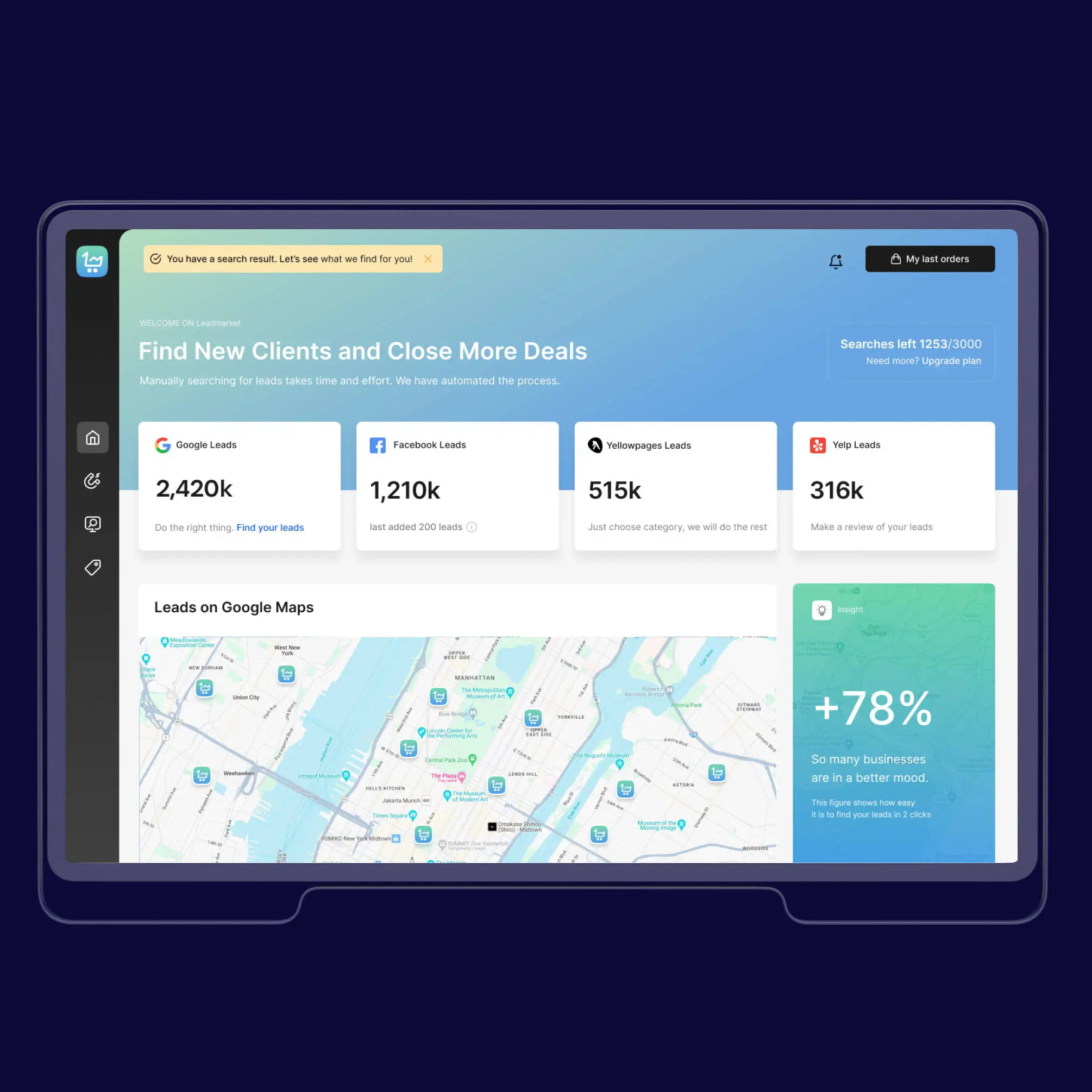
Leadmarket is the lead-collecting web solution made by Dataforest.
Key Steps to CDP and Marketing Automation

.svg)
.svg)
.svg)
.svg)
.svg)
Marketing Automation CDP Related Articles
All publications
Beyond the Hype: A C-Suite Guide to Assessing If Your Customer Data is Truly AI-Ready
Practical Guide for Businesses on Data-Driven Marketing Automation
.webp)
Marketing, Sales, and Customer Service: Harness for Generative AI
Questions On CDP Marketing
Let’s discuss your project
Share project details, like scope or challenges. We'll review and follow up with next steps.


