Clinical Information System: Healthcare Without Barriers
Our solution combines electronic health records, AI clinical decision support, computerized physician order entry, and patient management modules into an integrated platform. The solution eliminates data silos, reduces medical errors, accelerates care delivery, and ensures regulatory compliance while lowering operational costs. It improves patient outcomes, enhances provider productivity, and hastens diagnosis and treatment times.


.svg)


.svg)
.svg)
.svg)
Control Over Healthcare Chaos

- Automate routine documentation and order entry to cut admin time in half using clinical note automation
- Deploy intelligent scheduling that handles conflicts and priorities without human input
- Convert voice notes to structured records using AI for clinical notes and voice-enabled charting, so doctors can talk instead of typing with the help of AI clinical decision support
.svg)
- Connect all data sources into one secure clinical information system with data centralization, cross-system patient profile unification, and real-time updates powered by health data normalization
- Match patient records across systems automatically to eliminate dangerous duplicates
- Give clinicians complete patient history in seconds through real-time clinical dashboards and real-time patient insights
.svg)
- Build data pipelines that move information between systems without manual intervention, using medical informatics solutions
- Detect patterns and anomalies in patient data with AI clinical decision support before problems become crises, supported by structured clinical data extraction
- Create research portals where teams can collaborate on clean, validated datasets, supporting AI in clinical research, AI in clinical data management, and clinical AI protocols
.svg)
- Process results immediately with lab automation and flag critical values for instant review through AI clinical decision support with real-time lab alerts
- Provide decision support that highlights urgent cases and suggests next steps using AI in clinical decision support tools
- Monitor all patient data streams continuously and alert the right clinician fast with AI clinical decision support algorithms and real-time clinical documentation
.svg)
- Send personalized health reminders and instructions when patients need them most, enhanced by AI clinical decision support triggers
- Handle routine patient questions through intelligent chat without staff involvement
- Offer telemedicine and self-service access via digital health portals and clinical user interfaces to reduce friction in care delivery

Cut patient wait times from 45 minutes to 12 minutes with AI clinical decision support and automated diagnostic workflows.
Clinical Information System Real-Life Examples
A UK Healthcare Intelligence Firm Cut 9,600+ Manual Hours per Month with a Custom AI
- Automated data collection from 200+ sources with dynamic web scraping and prioritized source monitoring
- Integrated a deduplication engine with customizable similarity thresholds to ensure clinical data accuracy
- Leveraged GenAI and AI clinical decision support to enrich data streams and automate analytical reports, alerts, and summaries
- Centralized historical communications and reports into a unified, searchable repository for faster access
- Eliminated 9,600+ manual hours per month
- Achieved a 2x increase in productivity

30% Faster Discharge Processing for Regional Hospital with AI Workflow Automation
- Integrated EHR, pharmacy, and billing systems to synchronize discharge orders through healthcare IT infrastructure upgrades
- Used NLP models for AI clinical documentation that converted physician voice notes into structured EHR entries with AI clinical decision support
- Deployed AI agents to auto-assign follow-up tasks and notify relevant departments in real time
- Discharge processing time reduced by 30%
- Patient satisfaction scores increased by 18%
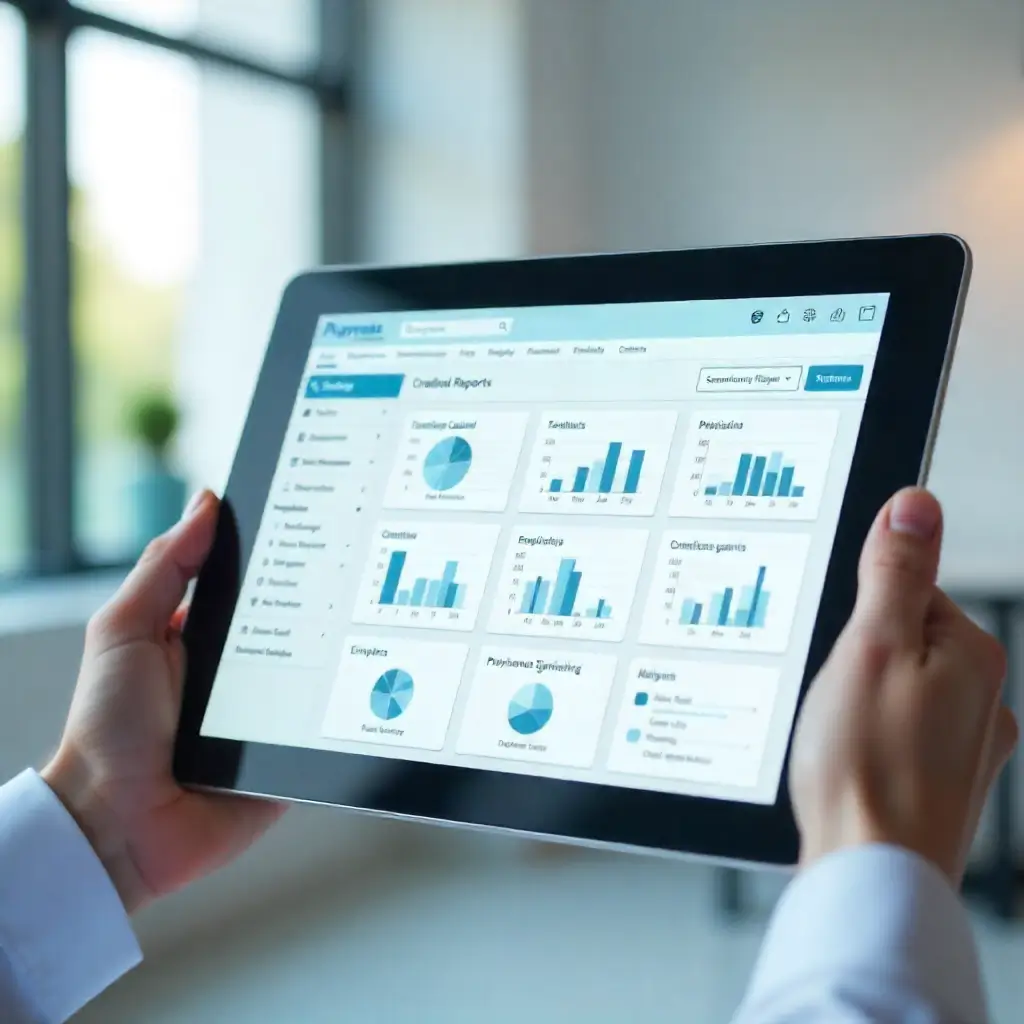


Clinical Information System Details
Streamline healthcare operations through intelligent automation, patient data centralization, and unified data management provided by AI clinical decision support.

- Automate order entry, discharge summaries, and follow-up tasks using AI-powered clinical workflow solutions and clinical compliance automation
- Optimize appointment scheduling based on patient priority and availability
- Convert voice notes into structured EHR entries through AI for clinical notes linked to AI clinical decision support
- Provide digital portals for streamlined form submissions and task tracking

- Merge EHR, lab, imaging, and billing records into unified storage
- Link patient records across systems using AI-driven data mapping and AI clinical decision support
- Retrieve complete patient histories instantly through AI assistants integrated with AI clinical decision support
- Access all clinical data through centralized, role-based dashboards

- Track medications in real-time with automated reminder systems linked to AI clinical decision support
- Generate automated shift handoff reports with current patient status
- Synchronize care plans across all nursing team members using AI clinical decision support recommendations
- Streamline nursing coordination through intelligent workflow management

- Enable real-time data flow through intelligent middleware systems
- Automate data ingestion from devices, labs, and partner platforms using a clinical laboratory information system
- Identify anomalies and safety signals through AI pattern detection in AI clinical decision support systems
- Validate datasets continuously and flag inconsistencies for review

- Process lab results instantly and flag critical values automatically via AI-based clinical diagnostics
- Highlight urgent cases and recommend treatment adjustments using an AI clinical decision support system tool
- Monitor patient data streams 24/7 with intelligent alerting
- Consolidate all patient data into unified, real-time dashboards with AI clinical decision support

- Deliver personalized reminders and health guidance via multiple channels
- Provide 24/7 patient support through AI chatbots with triage capabilities connected to AI clinical decision support
- Enable secure telemedicine consultations integrated with patient records
- Offer self-service portals for test results, prescriptions, and care plans with AI clinical decision support integration
Back Office Automation


They immediately understood needs and expectations and assembled an excellent team to ensure the project is delivered on time and within budget. They remain very flexible and responsive.

Cut patient complaints about scheduling by 60%.
Seven Steps to Build a Clinical Information System





Clinical Information System Related Articles
All publications
Data Science Cases in Healthcare
.webp)
Healthcare Data Integration and Interoperability: A Complete Guide

Data Science in Insurance: A Healthy Person Approach
FAQ On Clinical Information System
Let’s discuss your project
Share project details, like scope or challenges. We'll review and follow up with next steps.


