Ottawa Healthcare Network Gains Operational Visibility with CareOps AI OS
A growing multi-location healthcare network in Ottawa struggled with fragmented operational data spread across EHR, telehealth, scheduling, and billing systems. DATAFOREST implemented CareOps AI OS — an operational intelligence platform that unified data across 5 core systems, standardized workflows, and gave leadership real-time visibility into patient flow, provider utilization, and bottlenecks. The result was faster decision-making, better scheduling efficiency, reduced manual coordination, and a stronger foundation for scalable clinic operations.
25
%
reduction in manual operational coordination
35
%
faster operational decision-making
.webp)
The client is a multi-location healthcare provider based in Ottawa, operating several clinics and care teams across different locations. The organization provides consultations, diagnostics, and long-term care programs.

FastApi

Langchain
.svg)
OpenAI GPT

Qdrant

Databricks
THE CHALLENGE
Operational Fragmentation Across a Growing Healthcare Network
As the organization scaled across multiple clinic locations, its operations became increasingly fragmented. Core workflows were spread across disconnected systems, making it difficult to maintain consistency, monitor performance, and coordinate care efficiently. Leadership lacked a unified operational view of what was happening across locations, which limited fast, informed decision-making.
The organization needed a platform capable of connecting existing systems, standardizing processes across teams, and providing actionable operational insights.
The goal was to create a central operational control layer capable of coordinating data, workflows, and decision-making across the healthcare network.

Disconnected operational systems
Critical data was spread across EHR, telehealth, scheduling, and billing platforms, creating silos and limiting visibility across the network.
.svg)
Inconsistent workflows between locations
Different clinics and care teams followed different processes, making operations harder to manage and standardize at scale. Integrations between platforms were incomplete or inconsistent.
.svg)
Limited real-time visibility for leadership
Decision-makers could not reliably track patient flow, provider utilization, or operational bottlenecks across clinics in one place. Leadership teams relied on delayed reports rather than real-time insight.
.svg)
Manual coordination overhead
Teams had to rely on manual effort to align processes, gather information, and resolve day-to-day operational inefficiencies. Operational bottlenecks were difficult to identify at their root cause.

THE SOLUTION
CareOps AI OS for Unified Healthcare Operations
DATAFOREST implemented CareOps AI OS, an operational intelligence platform designed to connect the provider’s existing systems into one unified operational layer above existing healthcare systems. The solution consolidated data across 5 core platforms, standardized workflows across locations, and delivered real-time visibility into clinic performance, provider utilization, and patient flow. This created a stronger operational foundation for scalable, data-driven healthcare management.
.svg)
Cross-system operational data unification
The first step was building a unified healthcare data model that consolidates information from existing systems.
Data from EHR platforms, telehealth services, scheduling tools, and operational systems was collected, reconciled, and structured into a consistent operational dataset.
This created a reliable foundation for operational analytics and workflow orchestration.
The platform introduced a structured integration inventory, identifying how each operational system interacted with others.
.svg)
Real-time operational visibility
Leadership teams gained access to real-time operational dashboards showing key metrics across locations.
These dashboards provide visibility into:
- patient flow and appointment preparation
- provider workload and utilization
- scheduling performance
- operational bottlenecks
Instead of relying on historical reporting, leadership can now monitor operational performance in real time.
.svg)
Workflow standardization across locations
CareOps AI also introduced standardized operational procedures (SOPs) across teams and shifts.
This ensured that operational processes remained consistent across locations and reduced variability in how teams handled scheduling, patient preparation, and internal coordination.
.svg)
Predictive scheduling and capacity optimization
CareOps AI introduced predictive models designed to improve appointment scheduling and resource utilization.
These models analyze historical appointment patterns, no-show probabilities, and demand fluctuations to optimize schedules and improve provider utilization.
This allows clinics to anticipate operational pressure before it appears.
THE RESULT
AI-Driven Operational Platform for Healthcare
Reducing admin load, stabilizing workflows, and increasing capacity
Dataforest transformed fragmented operations into a unified, AI-driven system by consolidating data, automating workflows, and enabling real-time operational visibility.
Key outcomes included:
- 100% unified operational data model
Data from EHR, telehealth, scheduling, and communication systems was consolidated into a single structured dataset, eliminating fragmented reporting.
- Single Source of Truth across 5 core systems
Reliable integrations created one synchronized operational layer used by both operations teams and leadership.
- Real-time operational visibility
Dashboards replaced delayed reporting, enabling immediate identification of issues in patient flow, scheduling, and utilization.
- AI-driven workflow automation
Operational processes were automated, reducing manual coordination and improving execution consistency.
- Predictive scheduling & capacity optimization
Data-driven allocation of appointments improved provider utilization and reduced idle time.
- Standardized workflows across locations
Unified SOPs ensured consistent operations across teams, shifts, and clinics.
Additional Value Delivered:
- Reduced operational friction
Teams no longer rely on manual coordination between systems.
- Improved patient experience
Better preparation and smoother scheduling reduced delays.
- Scalable operational foundation
System supports multi-location growth without increasing complexity.
KPIs
less administrative workload through automation
reduction in operational bottlenecks
unified into a single operational data model
.webp)

Healthcare AI Platform for Multi-Clinic Operations
How we provide data integration solutions


Medical Lab Achieves 50% Compute Savings via Databricks Migration
.webp)
Medical Lab Achieves 50% Compute Savings via Databricks Migration
80%+ Reduction in Manual Job Data Handling Using an AI Platform
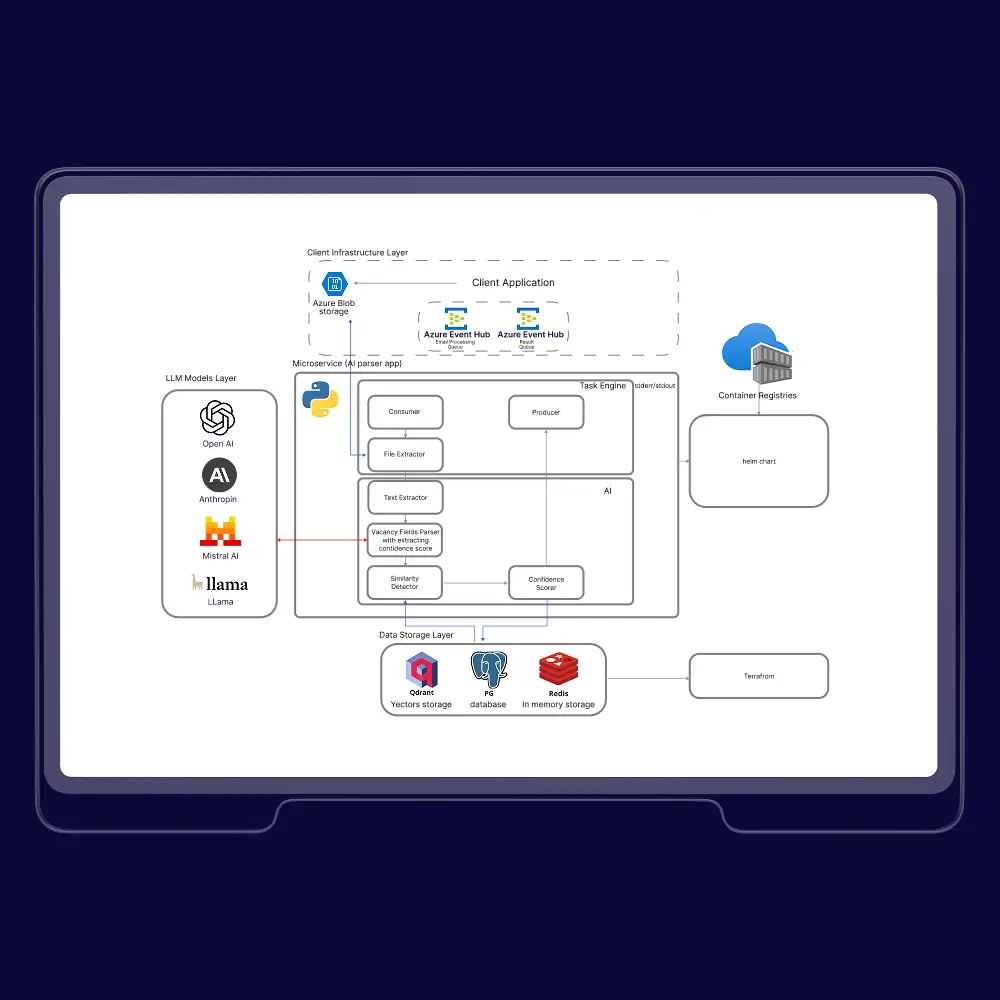
Cut Manual Data processing with an AI Platform
100% Workflow Efficiency Achieved with an End-to-End Marketplace Liquidation Platform
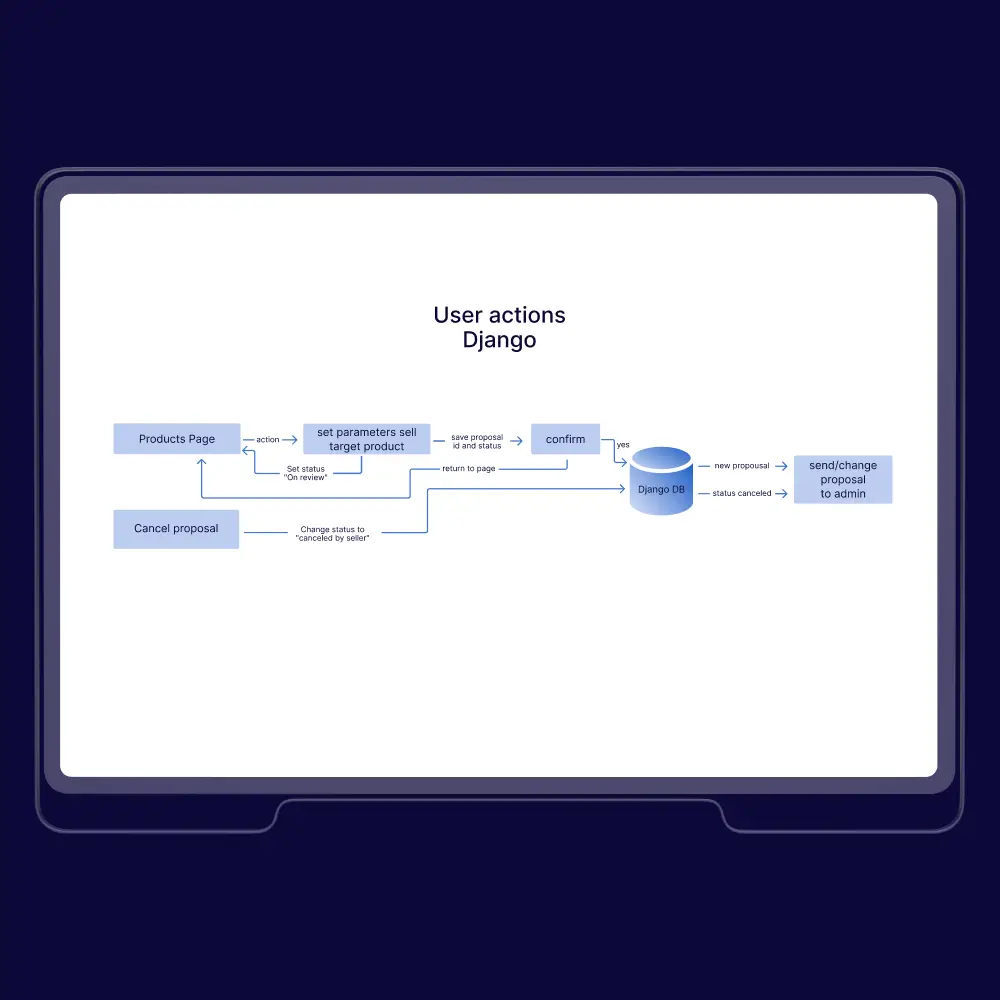
Automated Marketplace Liquidation Platform Development
Medical Lab Achieves 50% Compute Savings via Databricks Migration
Medical Lab Achieves 50% Compute Savings via Databricks Migration
80%+ Reduction in Manual Job Data Handling Using an AI Platform
Cut Manual Data processing with an AI Platform
100% Workflow Efficiency Achieved with an End-to-End Marketplace Liquidation Platform
Automated Marketplace Liquidation Platform Development
Latest publications
All publications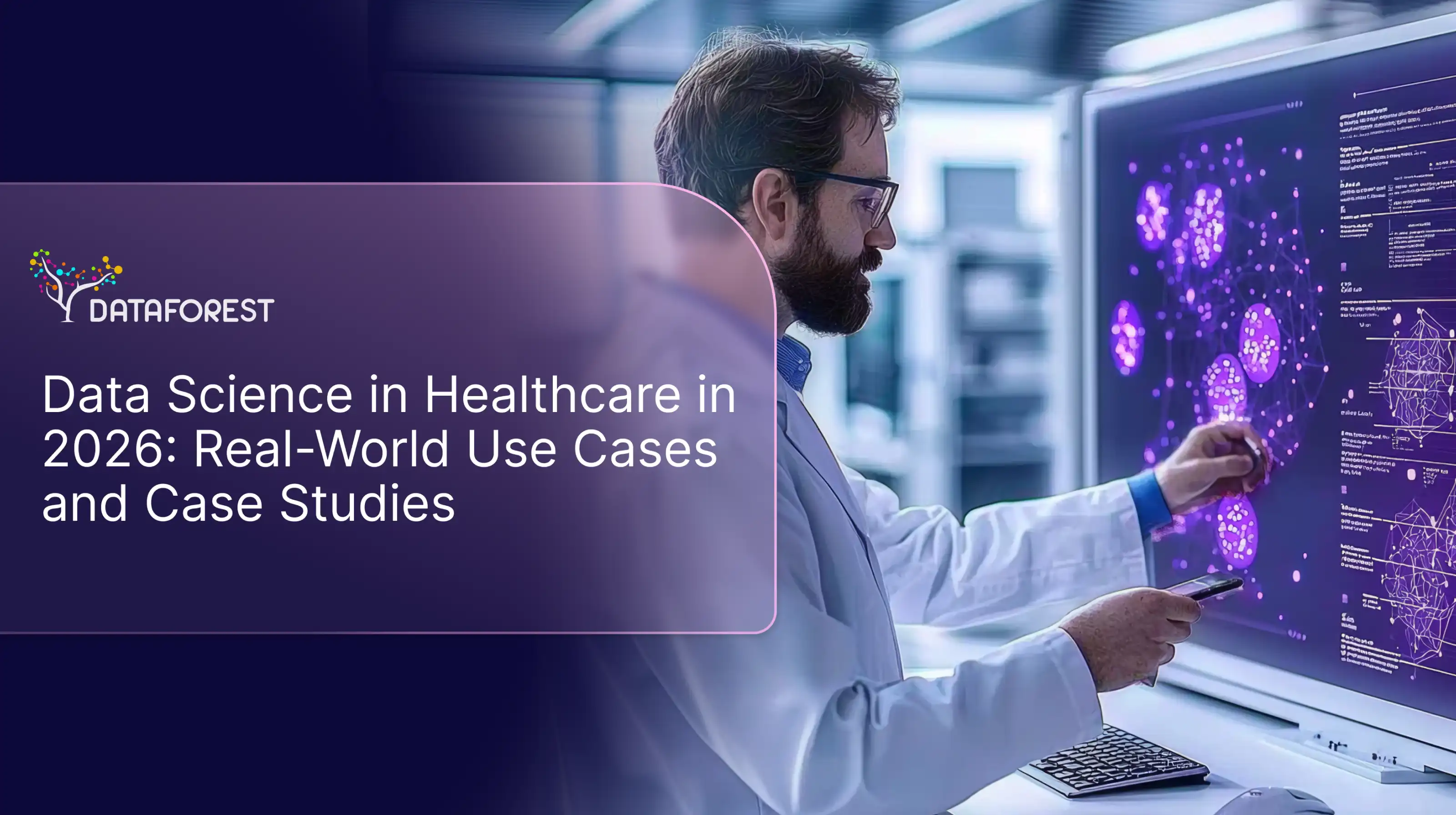
Data Science Cases in Healthcare
.webp)
Healthcare Data Integration and Interoperability: A Complete Guide
.webp)
AI in Transportation: Reducing Costs and Boosting Efficiency with Intelligent Systems
Latest publications
All publications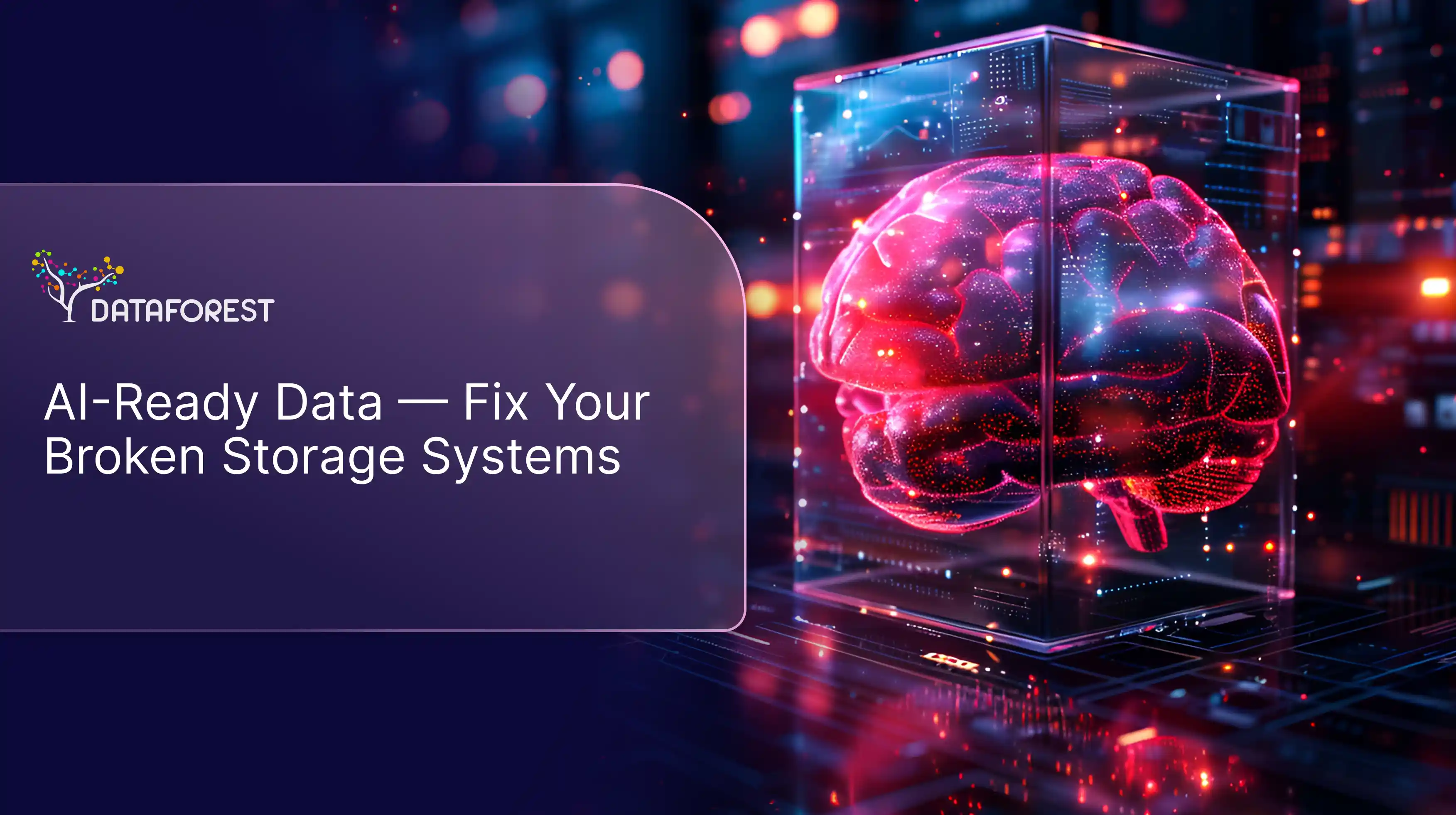
AI-Ready Data: Clean Internal Records to Prevent Costly Software Failures
.webp)
AI-Enabled Accuracy: How AI Improves Project Cost Estimation
AI in Transportation: Reducing Costs and Boosting Efficiency with Intelligent Systems
We’d love to hear from you
Share project details, like scope or challenges. We'll review and follow up with next steps.

