Healthcare Workflow Transformation
Automate patient intake, unify clinical data, reduce cancellations, and scale clinic operations without increasing headcount.
- AI-powered patient intake
- Automated visit prep and follow-ups
- Unified clinical data layer
- Real-time operational dashboards
- Multi-site workflow standardization


.svg)


.svg)


.svg)
.svg)
.svg)
Why Clinics Struggle to Scale Today
.svg)
Overloaded Intake and Administration
Front-desk teams still manage triage through calls, inboxes, PDFs, and repetitive handoffs. Staff re-enter the same information across systems, while patient access slows and administrative effort keeps compounding.
.svg)
Fragmented Data Systems
EHR, practice management, telehealth, lab, and billing tools rarely function as one workflow. Teams work from partial context, duplicate records, and inconsistent updates instead of a unified clinical data layer.
.svg)
Unprepared Patients and Cancellations
Missing labs, unclear instructions, and weak reminder logic leave patients underprepared for visits. The result is preventable no-shows, reschedules, idle provider time, and downstream revenue leakage.
.svg)
Manual Follow-Ups Create Care Gaps
Recalls, chronic care outreach, and post-visit follow-ups often depend on already overloaded staff. Critical patient touchpoints get delayed, skipped, or buried in disconnected task lists.
.svg)
No Real-Time Operational Visibility
Reporting arrives after the bottleneck has already moved. Leaders cannot see schedule risk, throughput constraints, or workflow performance in time to intervene across providers, sites, or service lines.
The Real Issue Isn’t Staff Shortage — It’s System Design
Legacy phone workflows, siloed applications, and manual processes force clinics to use the EHR as an operational core it was never designed to be. Workflow automation in healthcare fails when it digitizes broken steps instead of redesigning how work actually moves.
Cost of Not Transforming
Manual workflows can cost clinics $500K+ per year.

Admin Waste

Cancellation Leakage
.svg)
Missed Follow-Ups
.svg)
Operational Delays
Workflow Before vs. After
Before
After
Business Impact
30–50%
20–40%
60–80%
Scalable
Healthcare Workflow Transformation Framework
CareEntry AI
AI Receptionist and Intake Automation

CareFlow AI
Automated Patient Journey Orchestration

CareOps AI OS
Operational Intelligence Layer

Select Your Healthcare Workflow Transformation Package
Expected Transformation Outcomes
.svg)


Ottawa Healthcare Network Gains Operational Visibility with CareOps AI OS
.webp)

Healthcare AI Platform for Multi-Clinic Operations
Real Estate Lead Generation

Stantem enables lead generation automation in the US real estate market.
Lead-collecting Web Solution
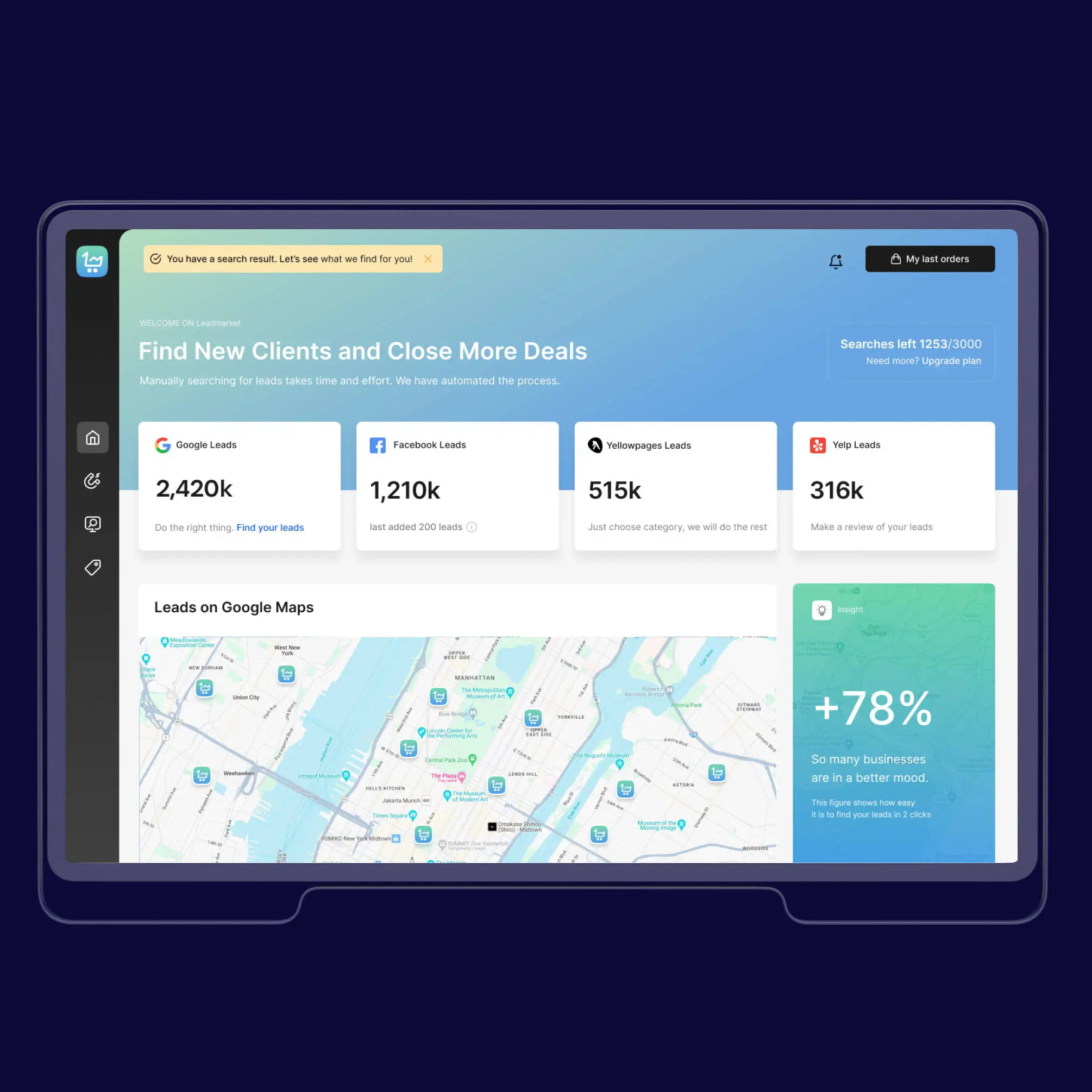
Leadmarket is the lead-collecting web solution made by Dataforest.
Built for Healthcare Compliance
Healthcare workflow automation software only creates value when privacy, security, and governance are built into the architecture from day one. DATAFOREST designs for secure PHI handling, controlled access, auditable workflows, and resilient cloud deployment across integrated healthcare environments.
HIPAA-ready architecture
GDPR-compliant data processing
ISO 27001-aligned security practices
Secure PHI handling
Role-based access control
Encryption at rest and in transit
Audit logs
Secure cloud deployment
A Pragmatic 4-Month Path

.svg)

Healthcare Workflow Transformation Framework
Join the Webinar


Why This Transformation Matters
Healthcare leaders have reached the limit of doing more with less. What comes next is not incremental efficiency, but AI-enabled operational intelligence that removes friction across the patient journey and gives clinics a more scalable operating model.
Clinics that modernize can:
reduce burnout
expand provider capacity
shorten wait times
stabilize revenue
scale more efficiently across locations
Workflow transformation is no longer optional — it is becoming the operational foundation of next-generation healthcare.
Frequently Asked Questions
Let’s discuss your project
Share project details, like scope or challenges. We'll review and follow up with next steps.


